


If you’re searching for urgent care without insurance in California, you’re probably in one of three situations: you don’t have insurance at all, you have insurance with a sky-high deductible that hasn’t been met, or you’ve just realized your $50 copay plus 30 minutes in a waiting room is somehow more expensive than paying cash. […]

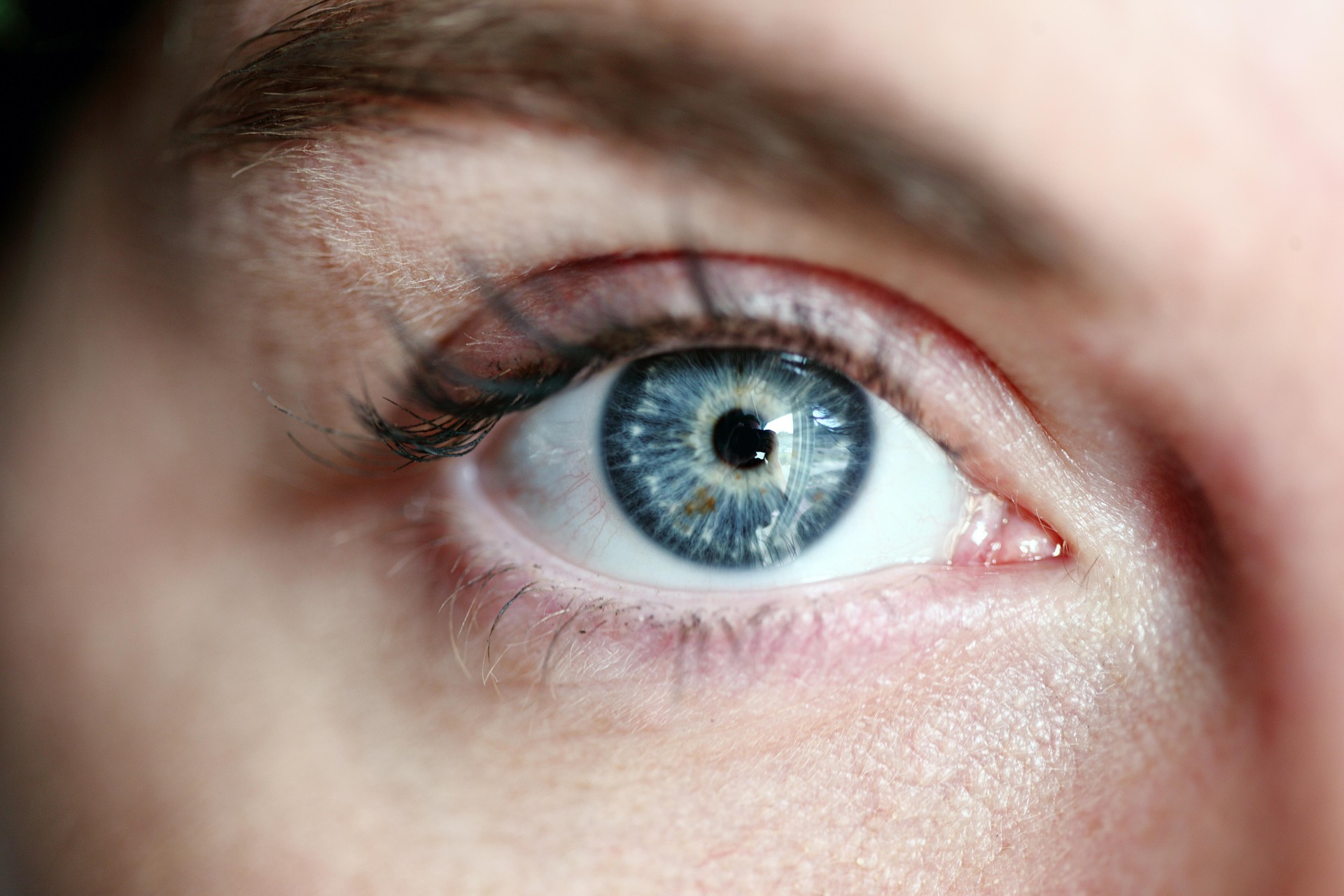
You wake up, look in the mirror, and one eye is red, crusty, and goopy. Maybe both. The first thought is usually: great, I have pink eye — where do I get the drops?
Here’s the part most people don’t hear: more than 90% of adult pink eye cases are viral or allergic, not bacterial — meaning antibiotic eye drops won’t help. Despite that, around 60% of patients diagnosed with pink eye in the U.S. walk out with an antibiotic prescription anyway. The American Academy of Ophthalmology has explicitly recommended against using antibiotic drops for most cases of pink eye, citing both the lack of benefit and the risk of antibiotic resistance.
So how do you actually know what you have? And when does pink eye genuinely need treatment? This guide walks through the three main types of pink eye, how to tell them apart, what to do at home, and when you need to be seen.
What pink eye actually is
“Pink eye” (medically: conjunctivitis) is inflammation of the conjunctiva — the thin, clear membrane that covers the white of your eye and lines your eyelids. When it gets inflamed, blood vessels become more visible, which is what gives your eye that pink or red appearance.
There are three main causes of pink eye, and they require very different treatment approaches:
- Viral conjunctivitis — the most common cause in adults
- Bacterial conjunctivitis — less common in adults, more common in young children
- Allergic conjunctivitis — very common, often mistaken for an infection
The challenge is that all three can look similar, especially in the first day or two. But there are pretty reliable clues for each.
Viral pink eye: the most common adult cause
Viral conjunctivitis is usually caused by the same family of viruses (adenoviruses) that cause colds and upper respiratory infections. That’s why pink eye so often follows or accompanies a cold — your body is fighting a virus that happens to also infect the conjunctiva.
Telltale signs of viral pink eye:
- Watery, thin discharge — not thick or pus-like
- Starts in one eye, often spreads to the other within a few days
- A gritty or burning feeling, like sand under the eyelid
- Often accompanied by cold symptoms — runny nose, sore throat, swollen lymph nodes in front of the ears
- Eyelids may be slightly swollen or stuck together in the morning, but easily wiped clean
Viral pink eye is highly contagious and is usually spread by touching your eyes after touching a contaminated surface. It typically resolves on its own in 1–2 weeks. Antibiotics don’t help — they don’t kill viruses.
Bacterial pink eye: less common, but treatable
Bacterial conjunctivitis is responsible for a minority of adult pink eye cases. When it happens, the most common causes are Staphylococcus, Streptococcus, and Haemophilus species — ordinary bacteria that can opportunistically infect the eye.
Telltale signs of bacterial pink eye:
- Thick, sticky discharge — often yellow, green, or white
- Eyelids genuinely stuck together in the morning, requiring warm water to open
- Continuous discharge throughout the day, not just when you wake up
- Usually starts in one eye, may or may not spread to the other
- Less commonly associated with cold or respiratory symptoms
Here’s the interesting part: most mild bacterial pink eye in healthy adults will resolve on its own within 1–2 weeks, even without antibiotics. That’s why the AAO recommends against routine antibiotic prescribing — the body usually clears it. Antibiotic drops may shorten the duration by a day or two and can be reasonable for moderate to severe cases, contact lens wearers, immunocompromised patients, or when symptoms aren’t improving after 7–10 days.
Allergic pink eye: the one that’s often missed
If your eyes are itchy — not gritty, not burning, but actually itchy — you probably don’t have an infection at all.
Allergic conjunctivitis is the third major category, and it’s wildly common, especially during high-pollen seasons. It happens when your immune system overreacts to allergens like pollen, pet dander, dust mites, or cosmetics.
Telltale signs of allergic pink eye:
- Intense itching is the hallmark symptom — you want to rub your eyes constantly
- Both eyes affected from the start, not one before the other
- Watery discharge, similar to viral pink eye
- Often accompanied by other allergy symptoms — sneezing, runny nose, itchy throat
- Recurs at certain times of year or in certain environments
Allergic pink eye is treated with antihistamine eye drops (over-the-counter options like ketotifen work well), oral antihistamines, and avoiding the trigger when possible. Antibiotics will do absolutely nothing for it.
The quick at-a-glance comparison
If you’re trying to figure out what you have, the single most useful question is: are your eyes itchy or just irritated?
- Itchy + both eyes + recent allergy exposure → probably allergic
- Watery discharge + cold symptoms + started in one eye → probably viral
- Thick yellow/green discharge + eyelids stuck together throughout the day → possibly bacterial
That said, mixed presentations are common, and even ophthalmologists sometimes need a slit-lamp exam to be sure.
When pink eye genuinely needs urgent care
Most pink eye is annoying but not dangerous. Some presentations are different and warrant prompt in-person evaluation, sometimes at an eye specialist or ER rather than a general urgent care:
- Vision changes — blurred vision that doesn’t clear when you blink, or any loss of vision
- Severe eye pain — not just irritation, but real pain
- Significant light sensitivity — squinting or pain in normal indoor light
- Recent eye injury, trauma, or chemical exposure
- Contact lens wearer with red, painful eye — this can signal a corneal infection (keratitis), which can be vision-threatening and requires immediate ophthalmology evaluation
- Cluster of small blisters around the eye, on the eyelid, or on the forehead — can suggest herpes-related infection
- Newborns or infants with pink eye — always need evaluation
- Immunocompromised individuals — lower threshold for in-person care
If any of these apply, don’t wait it out and don’t rely on telehealth alone.
What to do at home for uncomplicated pink eye
For most viral and mild bacterial cases, supportive care is the goal:
Cool compresses reduce inflammation and feel surprisingly good. A clean washcloth soaked in cool water, applied for 5–10 minutes a few times a day.
Preservative-free artificial tears help flush irritants and lubricate the eye. The single-use vials are ideal because they don’t carry the contamination risk of multi-use bottles.
Gently clean discharge with warm water and a clean cloth. Use a separate cloth for each eye to avoid cross-contamination.
Skip contact lenses until your eye is fully clear — usually a week after all symptoms resolve. Throw out the lens case and current lenses.
Hygiene matters more than you think. Wash hands frequently, don’t share towels or pillowcases, change pillowcases daily, and don’t touch your eyes. Viral pink eye is highly contagious for as long as eyes are red and weeping — usually 10–14 days.
For allergic pink eye, OTC antihistamine eye drops (look for ketotifen 0.025%) used twice daily during allergy season help significantly. Pair with an oral antihistamine if you have other allergy symptoms.
Where telehealth fits in
A virtual visit for pink eye can be genuinely useful for sorting out which type you likely have, recommending the right treatment, and identifying red flags that warrant in-person evaluation. A good clinician will:
- Ask the right questions to differentiate viral, bacterial, and allergic causes
- Look at your eye over video to assess severity and check for warning signs
- Recommend antibiotic drops only when clinically warranted
- Refer to in-person care or ophthalmology when needed
- Help you understand realistic timelines for recovery
What a good clinician won’t do: automatically prescribe antibiotic drops because you said the words “pink eye.” That’s not stewardship, and it’s not in your interest.
The bottom line
Most adult pink eye is viral or allergic and gets better on its own with cool compresses, artificial tears, and time. The thick-yellow-discharge-and-stuck-eyelids version may warrant antibiotic drops, but even most mild bacterial cases resolve without them. Allergic pink eye needs antihistamines, not antibiotics.
The real value of seeing a clinician for pink eye isn’t the prescription — it’s the honest assessment of what you actually have, what will help, and what you can safely manage at home.
Horizon Rx is a California-licensed concierge telemedicine practice offering same-day virtual visits for uncomplicated urgent care needs. Visits are $99 flat, cash-pay, with no insurance required. Book a same-day appointment.
This post is for general educational purposes and is not a substitute for individualized medical advice. If you’re experiencing vision changes, severe eye pain, significant light sensitivity, or are a contact lens wearer with a red painful eye, please seek in-person care immediately.
Your throat is on fire. Swallowing feels like razor blades. You’re wondering if you should muscle through the day or find somewhere to get tested — and whether you need antibiotics or just need to ride this out. Here’s the upfront truth about strep throat vs. cold: most sore throats are viral, not strep. Even […]

You’ve been congested for a week. Your face hurts when you bend over. You’re tired of blowing your nose, tired of mouth-breathing at night, and tired of feeling like there’s a bowling ball behind your eyes. The question on your mind is simple: do I just need to wait this out, or do I need […]

Read our expert guides, health tips, and articles to help you travel safely wherever your journey takes you.
If you’re reading this with a heating pad on your lap and the bathroom three steps away, you already know what’s happening. The burning. The constant urge. The pressure that makes a 9-to-5 feel like a marathon. You don’t need a lecture. You need antibiotics, and you need them today. Here’s the good news: for […]

This is a patch that is placed on the skin behind the ear for up to 3 days. It is used to prevent motion sickness.
Scopolamine
This medication is used to treat anxiety and sleeplessness.
Hydroxyzine
Often known as Macrobid. This is an antibiotic used to treat urinary tract infections (UTIs).
Nitrofurantoin
This is an antifungal used to treat yeast infections.
Fluconazole
This medication is used to prevent and treat mild altitude sickness.
Acetazelomide
This medication is used to prevent malaria, starting 2 days before your trip.
Atovaquone-Proguanil
This is an antibiotic used to prevent traveler’s diarrhea.
Rifaximin
This is an antibiotic used to treat traveler’s diarrhea associated with fever.


